Bio Methanation for Treatment of Solid Waste in a Residential Apartment Complex

An old apartment complex takes a responsible step towards streamlining its waste issues through the installation of an eco-friendly Bio Methanation system within its premises.
Bengaluru generates 5000 metric tons of Solid Waste daily of which less than half is processed.
There are more than 60 illegal dump sites and it consists of both municipal and industrial waste existing in and around Bengaluru city.
Bengaluru is targeting 100% waste segregation at source by the end of 2021 and minimal use of landfills.
Bengaluru has 8 Existing Treatment & Disposal facilities in BBMP.
Although there has been an improvement since the introduction of Bangalore’s Solid Waste Management Bye-Laws in 2016, the city has a long way to go before it's Civic Amenities are benefited by each and every citizen.
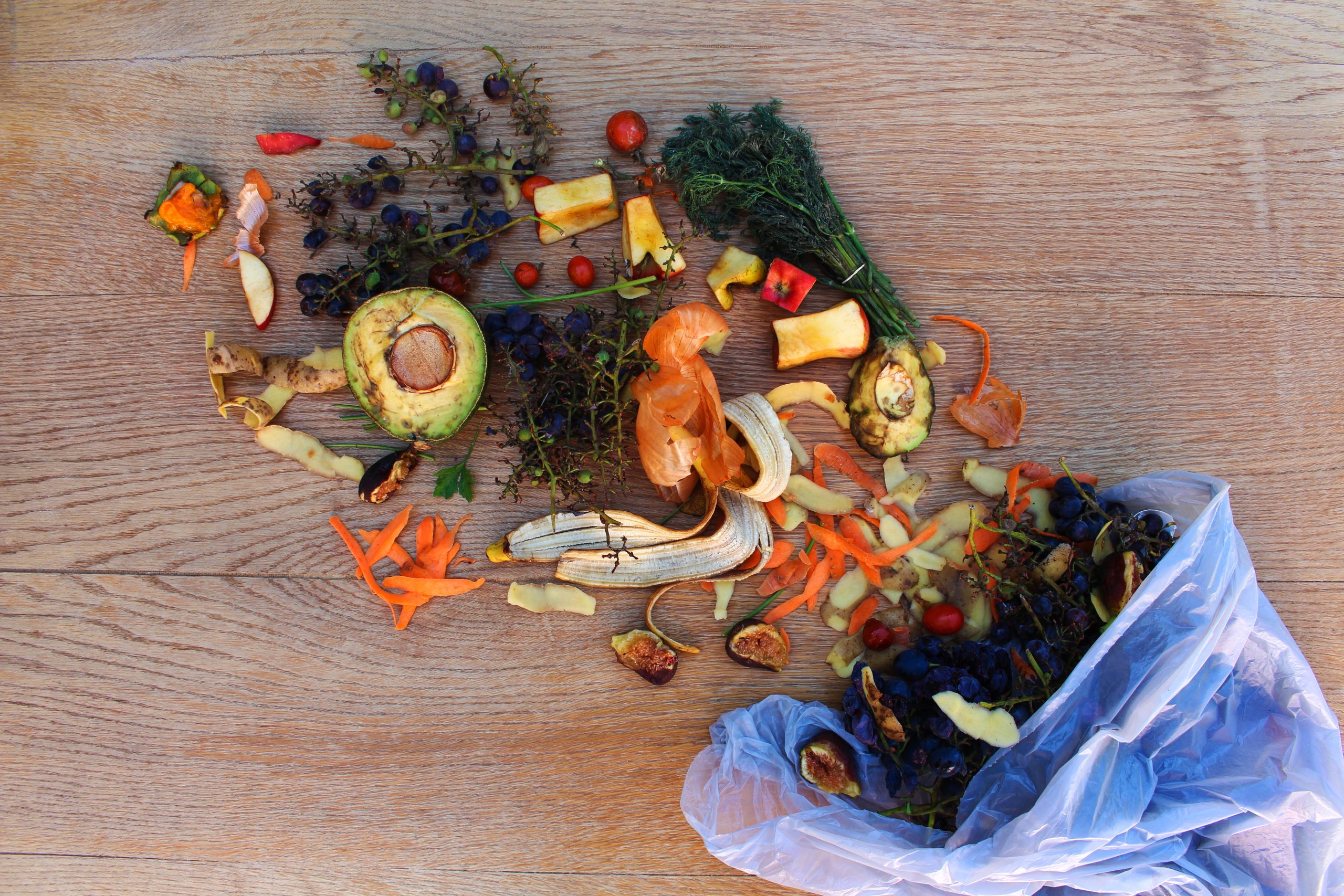
Industrialization and urbanization together have a cumulative effect on generating urban solid waste which leads to increasing threats to the environment and human health. Bangalore generates about 0.2–0.5 kg of waste per person per day. Domestic, restaurant, garden and community eatery wastes constitute nearly 90% of the total MSW produced in a city and comprises >85% decomposable or fermentable components.
With fewer government facilities available for processing of waste, it is important for citizens to take initiative and responsibility for the waste they generate. Decentralized waste processing in smaller quantities is a possibility if simple, efficient and easy technologies are made available for citizens.
Biomethanation has a high potential for the
in situ processing of organic residues and wastes and is easily adoptable by residential communities and apartment complexes.
The Challenge
Bangalore is urbanizing rapidly accompanied by a gradually increasing rate of municipal solid waste (MSW) production. If the organic fractions of the waste produced are not treated properly and reach the landfill site; they can become a major source of greenhouse gas (GHG) emissions and cause leaching of harmful pollutants into groundwater, and create imbalances in the ecosystem. This along with the insufficient number of processing facilities in Bangalore are major concerns that the local government and citizens need to address in order to protect the environment of Bangalore and sustain livability in the city.
The Solution
The need of the hour is to create recyclable and reuse options for the utilization of waste and the beneficial energy stored within waste through technologies like composting, vermicomposting, fermentation, biomethanation etc.
Decentralized anaerobic digesters not only solve the problem of waste but also provide sustainable energy in the form of biogas. They also reduce transportation costs and carbon footprint. When compared with other technologies, Biomethanation is economical, eco-friendly and easy to operate and maintain.
Our Solutions
The Residential Complex was given an
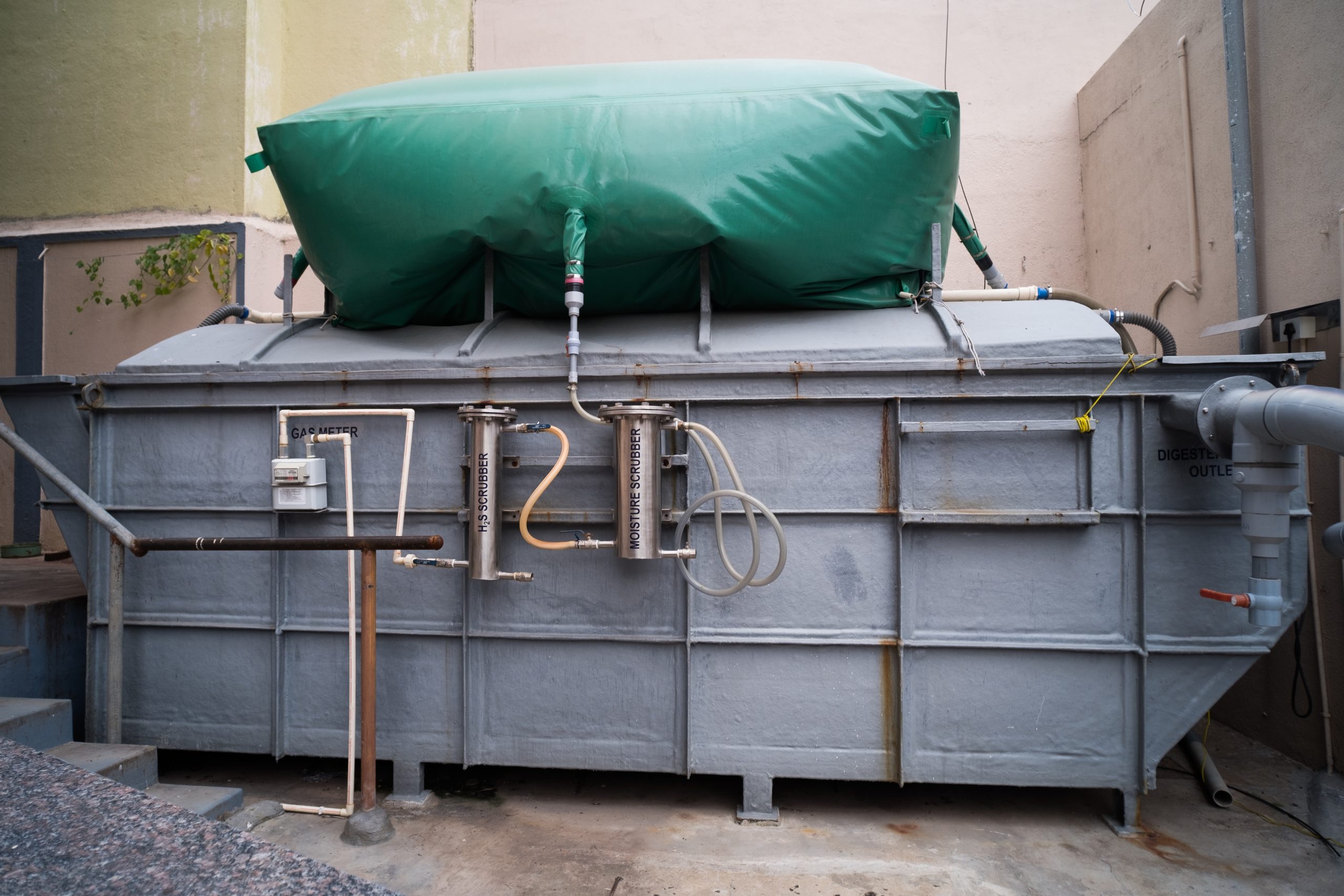
eco-friendly and off-grid solution for their waste problem that saved them energy, transportation and maintenance costs in addition to beneficial byproducts creating impact within 3 months.
Waste Segregation at Source
Residents began to segregate waste more mindfully as soon as they took the responsibility and onus to process their own waste.
In-house Processing of
Organic Waste
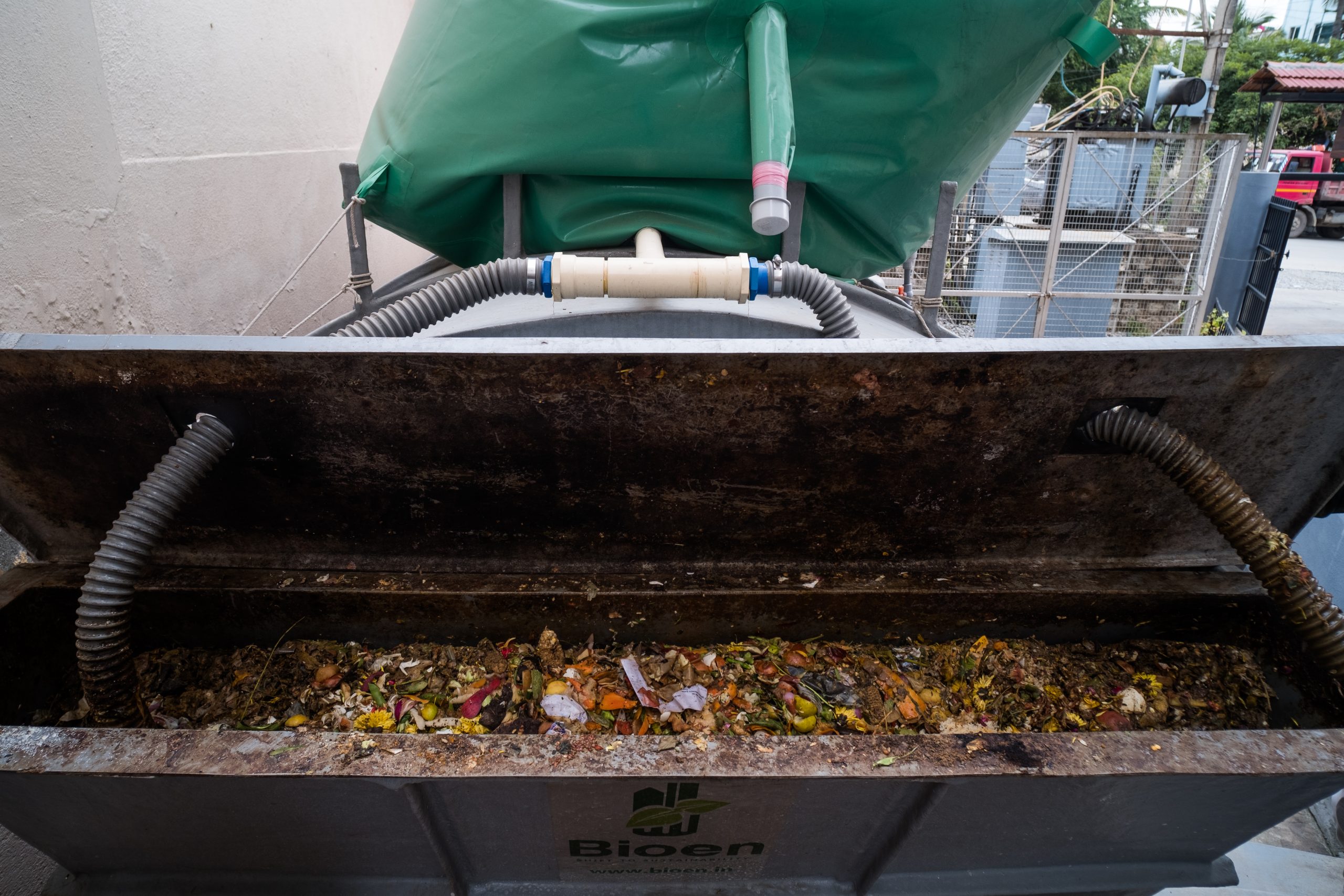
With 90 apartments in the building, 1 to 1.2 kg of wet kitchen and garden waste is processed by each household in a 100 kg capacity Biomethanation System.
Fulfillment of Energy demands
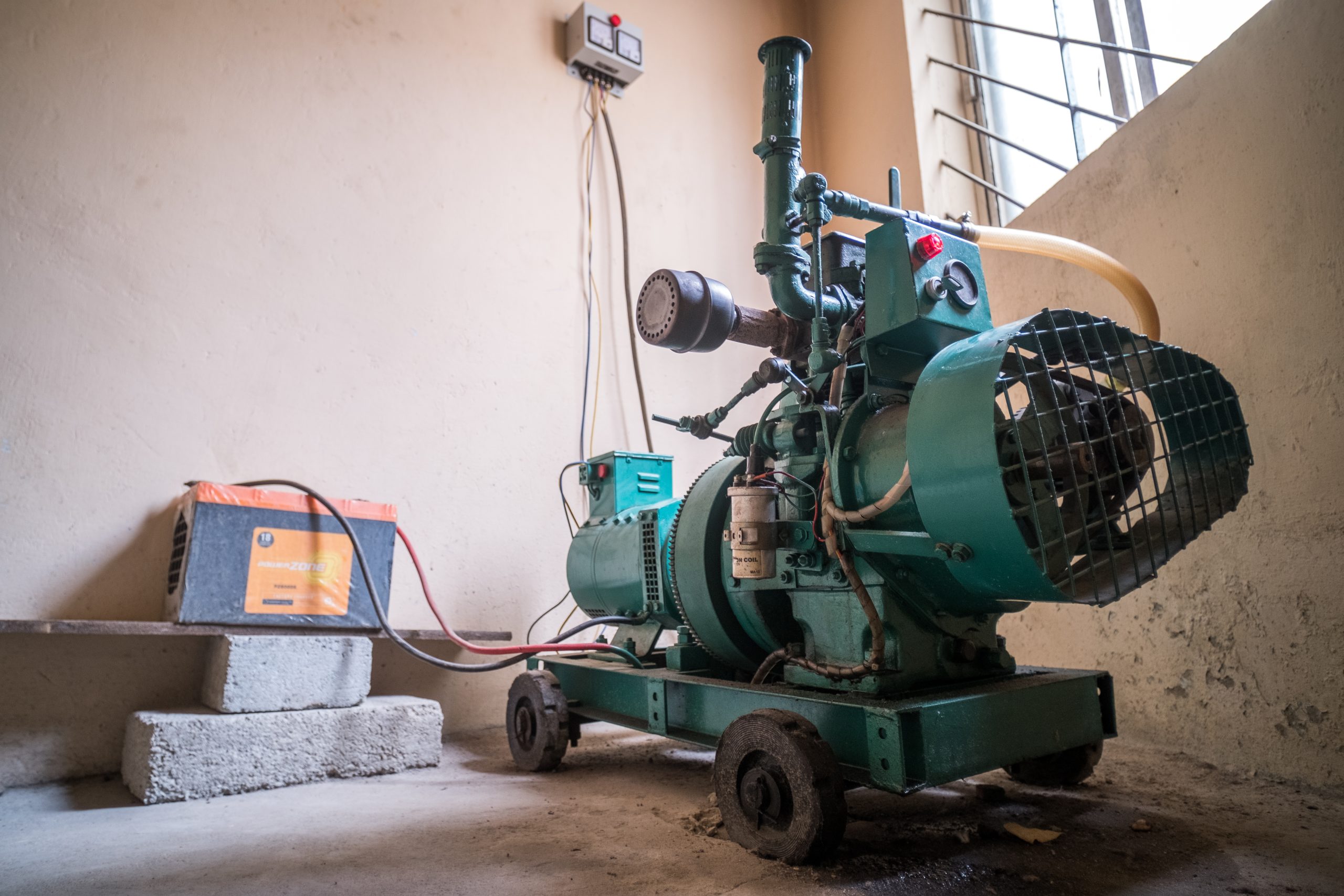
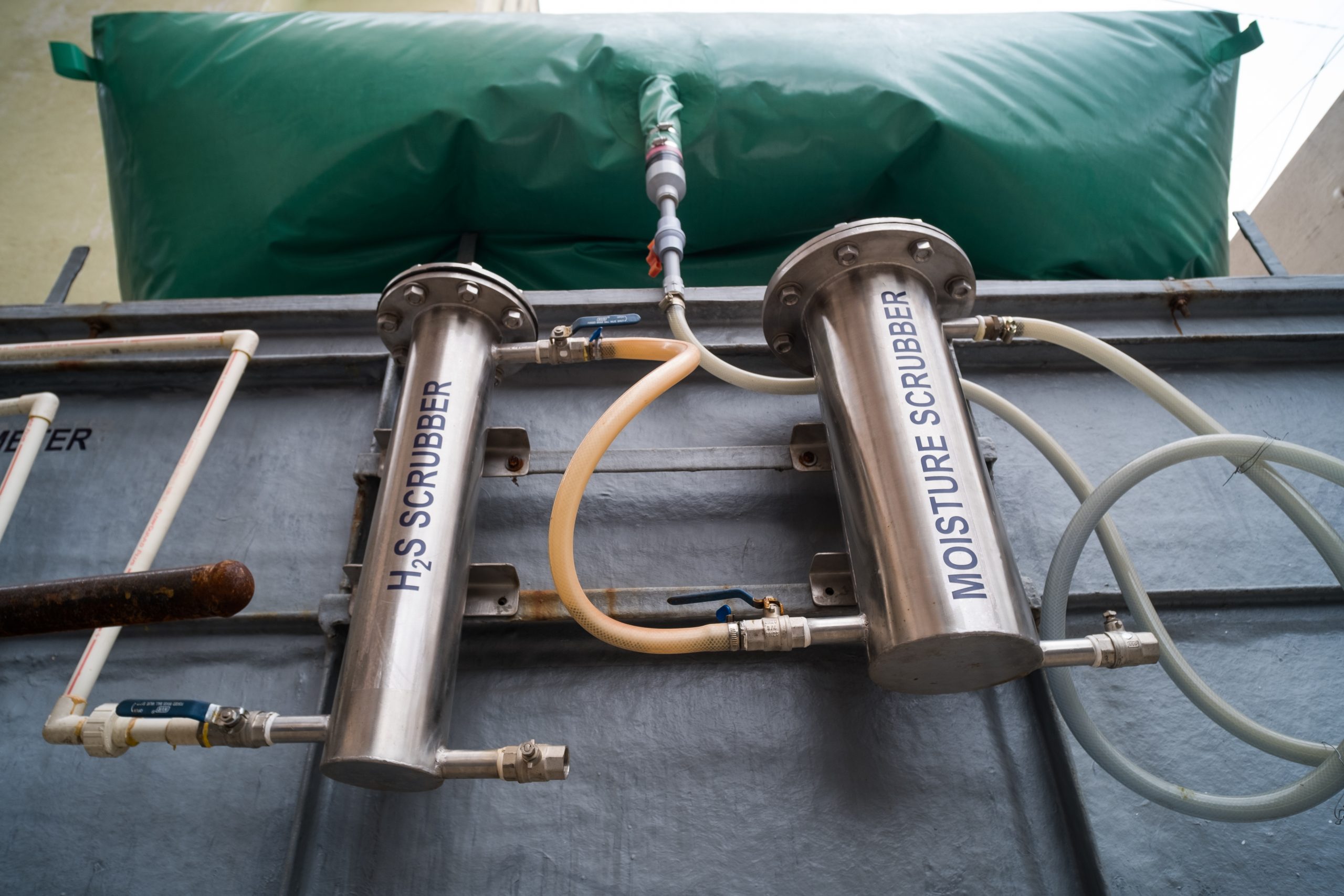
The Biomethanation reactor produces 6 cubic meters of Biogas per day and converted to 7.5 KW of electricity. This energy is used for common area lighting of 100 bulbs for 3.5 to 4 hours each day.
Beneficial
Byproducts
Natural byproducts from the reactor are Compost and a Digester Liquid that are extremely rich in nutrition, and are used regularly for the upkeep of the garden in the apartment premises.
Model for Citizens led in situ
Waste Management
The Residential Complex acts as a model and community learning centre for other residential buildings and municipalities.
Greenhouse Gas Emissions averted
Upto Rs. 15,000 per month saved in disposing of waste
Upto Rs. 5000 per month saved on Electricity Bills
ROI in less than 3 years
Demonstration of Self Dependence and Self Sufficiency
Related Case Studies