On-site Treatment of Solid Waste in a Hospital using Bio Methanation Technology

“A Government funded Cancer Care Hospital sets up an easy-to-operate Bio Methanation system to manage its daily canteen waste.”
Of the total amount of waste generated by health-care activities, about 85% is general, non-hazardous waste.
The remaining 15% is considered hazardous material that may be infectious, toxic or radioactive.
1040 hospital beds and over 1,500 OPD consultations everyday.
Bengaluru generates 5000 metric tons of Solid Waste daily of which less than half is processed.
Health-care activities protect and restore health and save lives. But what about the waste and
by-products they generate?
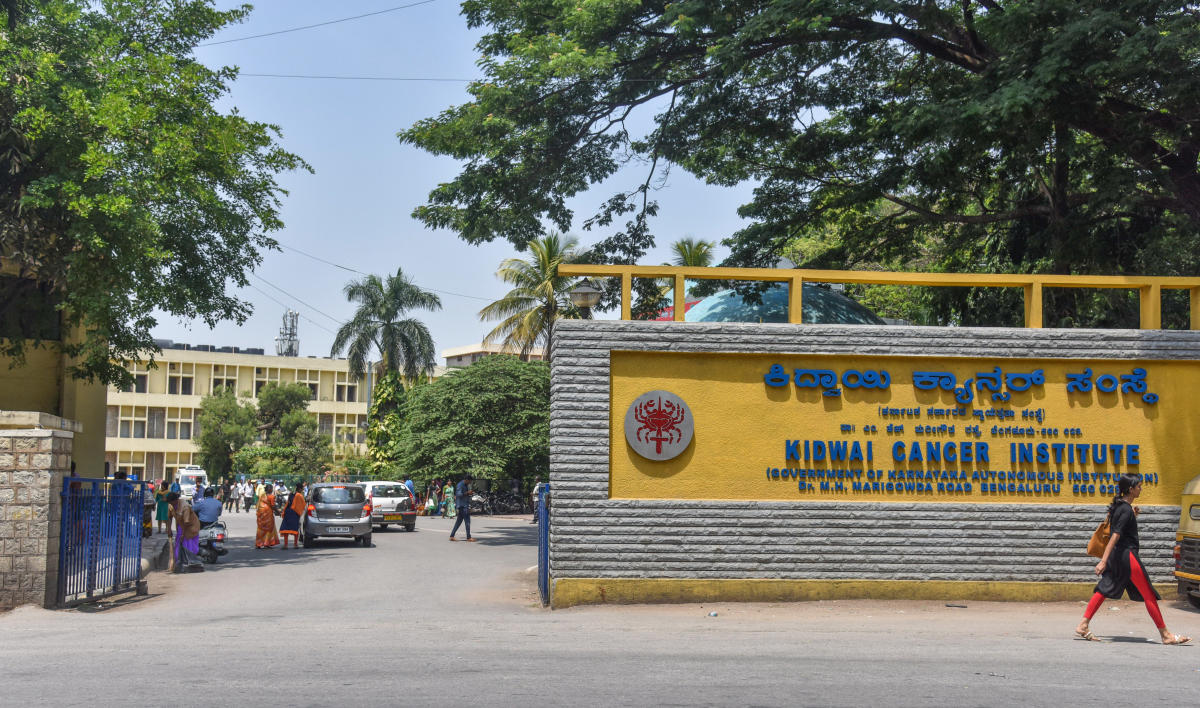
This State government-run 1,040-bed hospital, sees over 1,500 OPD consultations everyday. Apart from the massive amounts of Bio Medical waste generated in this hospital, there are also areas where wet compostable waste is generated – its own canteen, the mobile food units of a charitable organization catering to 1,500 people, as well as a state-installed canteen serving close to 500 plates a day. A large portion of the wet and compostable waste is generated by visitors and family members of hospital patients.
The management of health-care waste requires increased attention and diligence to avoid adverse health outcomes associated with poor practice, including exposure to infectious agents and toxic substances.
Biomethanation has a high potential for the
in situ processing of wet compostable canteen waste generated in hospitals.
The Challenge
In a health-care facility where the tension is naturally high with people’s lives at stake, it also generates large amounts of bio-medical waste and equal amounts of non-medical waste that cannot be neglected. Each of the different types of waste have a specific treatment and disposal protocol that has to be followed with the utmost care and diligence and as per government regulations.
Waste contains potentially harmful microorganisms that can infect hospital patients, health workers and the general public. Other potential hazards may include drug-resistant microorganisms which spread from health facilities into the environment.
The Solution
Decentralized anaerobic digesters not only solve the problem of waste but also provide sustainable energy in the form of biogas. They reduce waste transportation costs and carbon footprint. When compared with other technologies, Biomethanation is economical, eco-friendly, easy to operate and maintain. A Bio Methanation system offers many advantages that can help to lessen the weight of Hospital Management ensuring effective utilization of its financial resources and safe management of wastes from health-care activities.
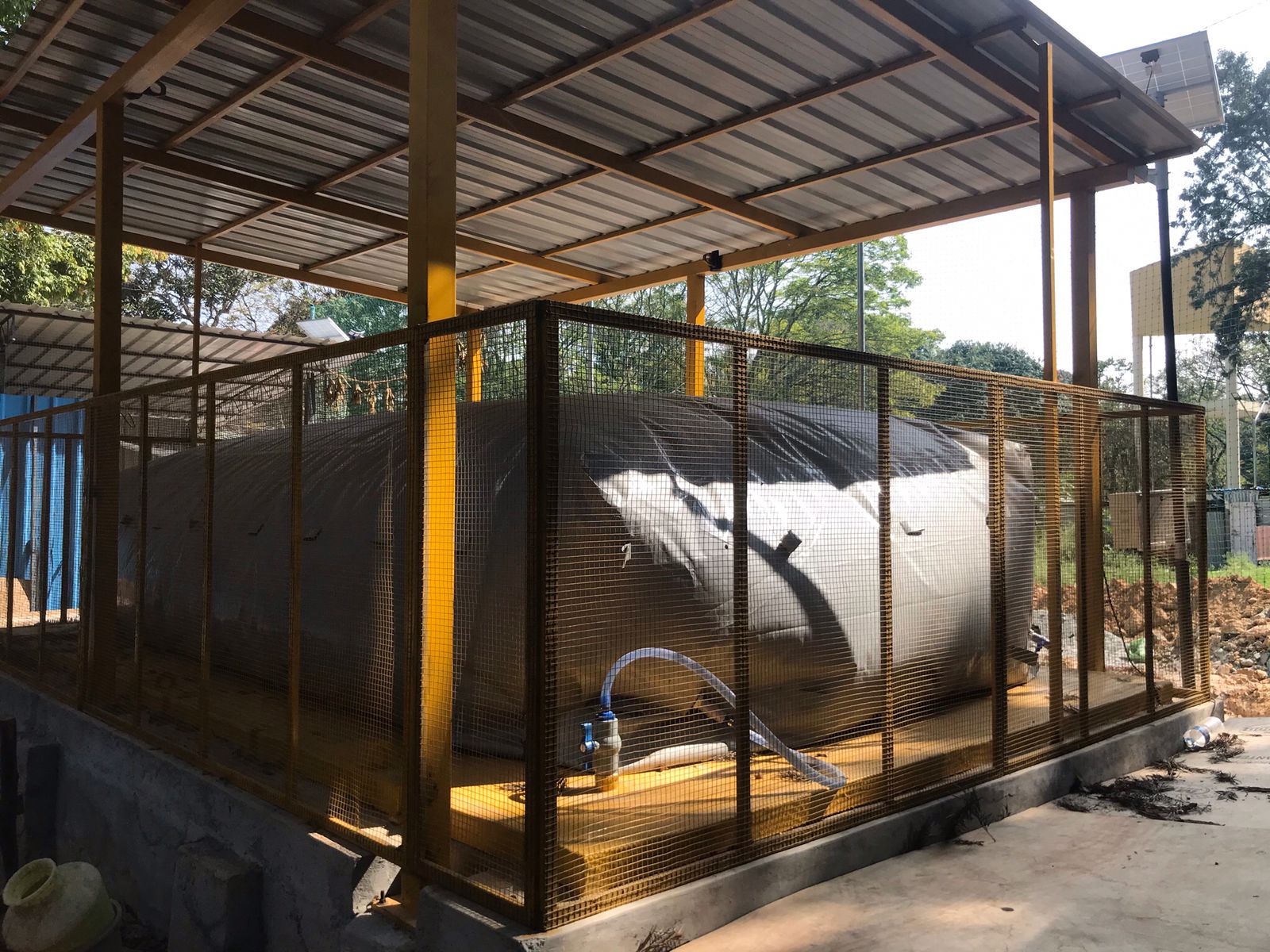
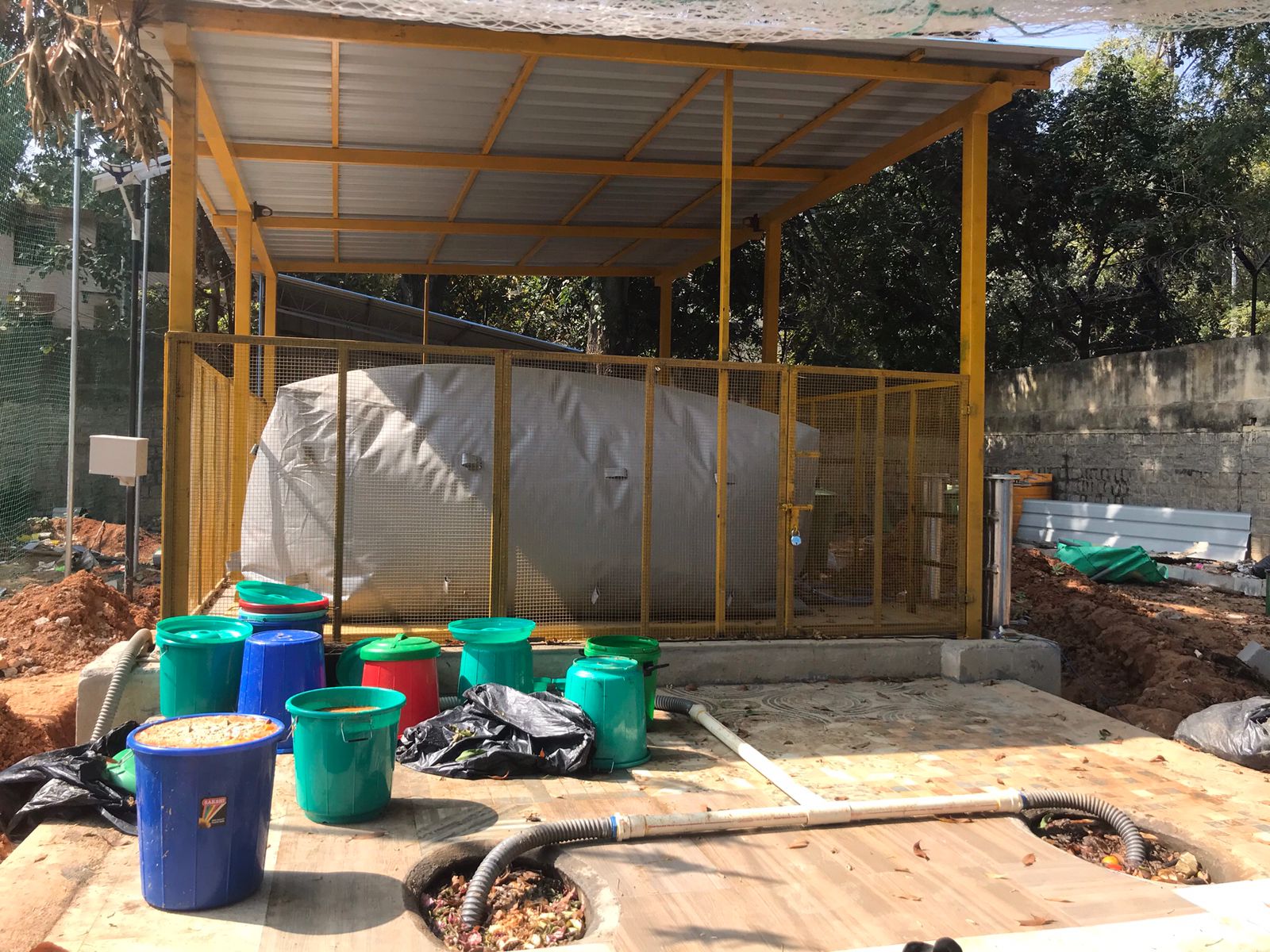
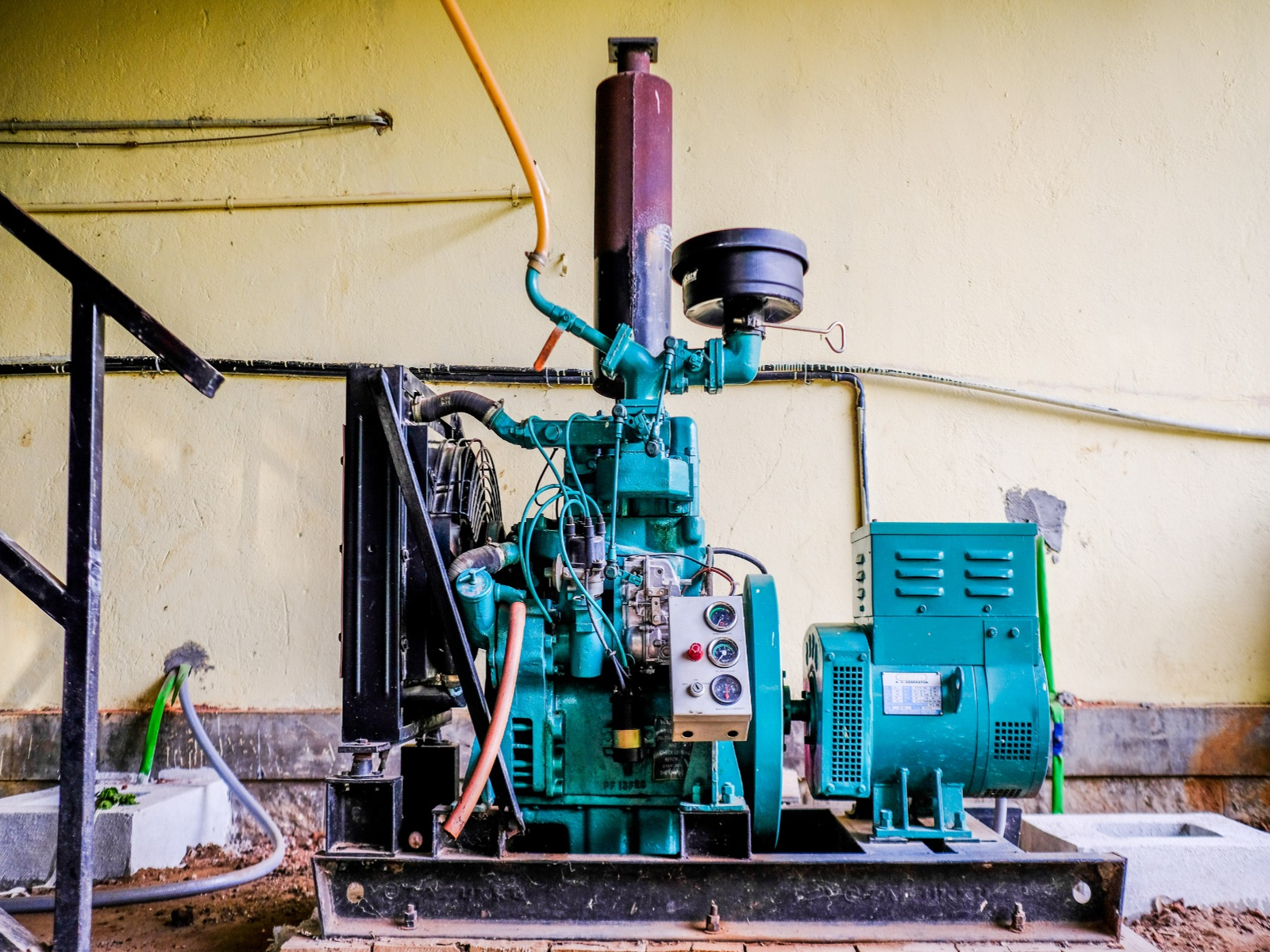
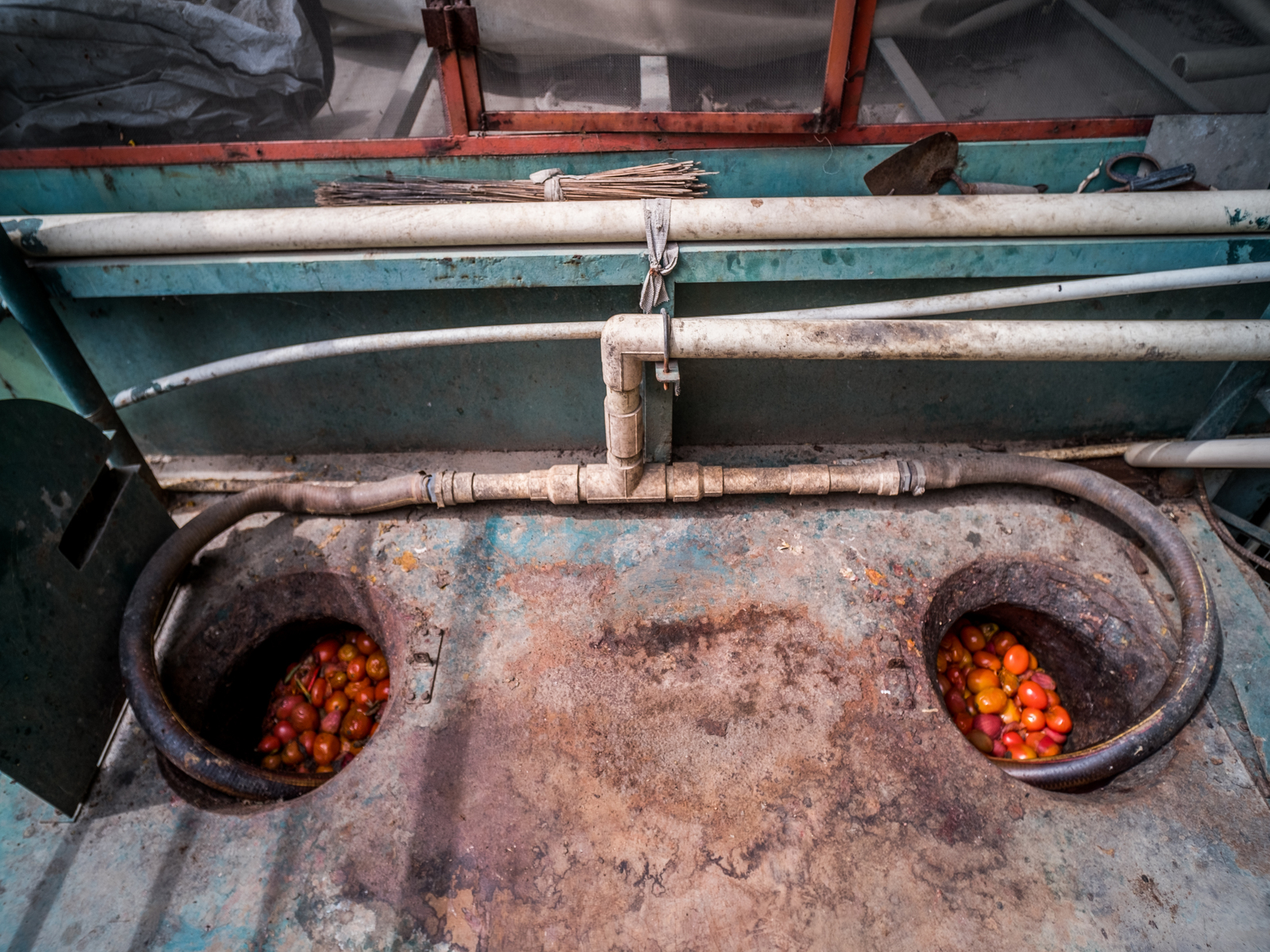
The Hospital was given an eco-friendly and off-grid solution for their waste problem that saved them energy, transportation and maintenance costs in addition to beneficial byproducts creating impact within 3 months.
In-house Processing of Organic Waste
Waste from the 3 canteens of the hospital is processed in a 500 kg capacity Biomethanation System installed within the premises.
Fulfillment of Energy demands
The Biomethanation reactor produces 43 cubic meters of Biogas per day and converted to 50 KW of electricity. This energy is used for common area lighting, charging electric vehicles and operating pumps.
Beneficial Byproducts
Natural byproducts from the reactor are Compost and a Digester Liquid that are extremely rich in nutrition, and are used regularly for the upkeep of the garden in the hospital.
Model for in-situ management of Hospital Waste
The hospital acts as a model and learning centre for other private and government led health-care facilities.
500 kgs of Carbon Emissions averted
182 Tonnes of Waste prevented from going into landfills
Upto Rs. 7,30,000 per year saved in disposing of waste
Upto Rs. 1,46,000 per year saved on Electricity Bills
ROI in less than 3 years
Demonstration of Self Dependence and Self Sufficiency
Related Case Studies