Improving public accessibility within a Zoological Garden through economical alternative roads
“One of the oldest zoos in India, and the city's most popular attraction create durable, safe and alternative walkways to enhance the Zoo experience for its visitors.”
Apart from having a high carbon footprint and being expensive, Bitumen and Concrete roads are unattractive and disconnected experiential elements in a Zoo.
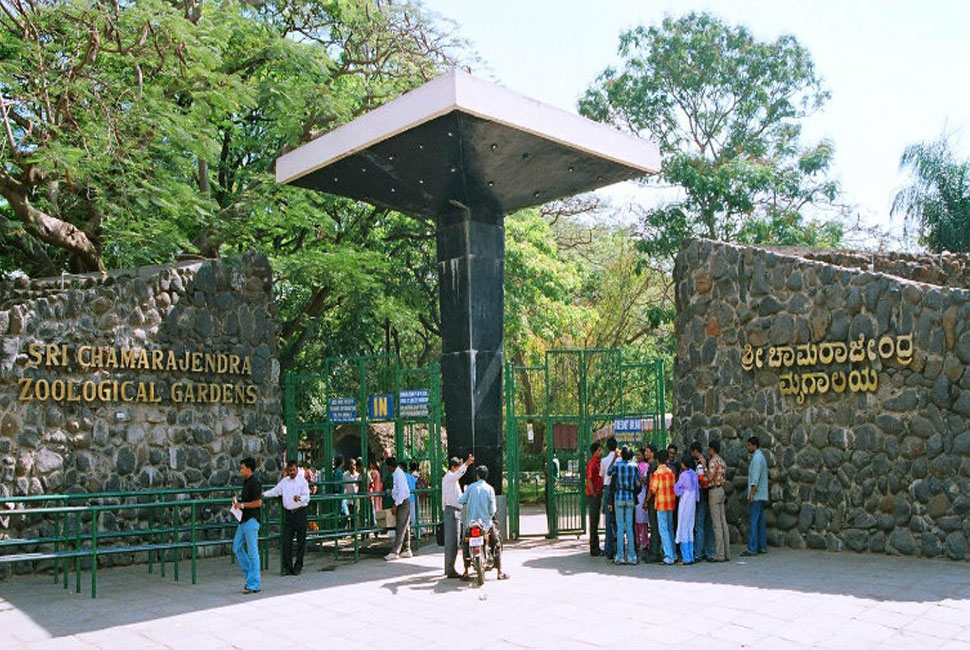
Every zoo visitor travels along walkways, therefore it is both an opportunity and a responsibility for Zoo keepers and educators to plan and design this critical element in a way that it is integrated with the zoo experience.
Zoos offer opportunities to educate visitors about wildlife and habitat conservation through creative means such as programs, walks and activities. While doing so, it is imperative that the scientific, aesthetic, and ecological values of the zoo are planned and implemented effectively. Creating a dialogue between Zoo infrastructure needs and the education intended for children and adults, enables a holistic zoo experience.
Firefly’s approach while building a road is to achieve the goals for which they are intended while making economical use of resources and reducing environmental impact.
The Issue with Conventional Way
Conventional Zoo walkways resemble roadways where visitors travel from point A to point B with limited experience of nature in between. A concrete or bitumen pedestrian walkway to lead visitors to animal habitats and their exhibits, does not align with the goals of a Zoo which is primarily to connect visitors to nature and natural habitats. They give visitors mixed signals and do not provide an atmosphere of learning and play for children.
Firefly’s Alternative Approach
Firefly’s walkway, which came to be called ‘Tandi Sadak’ (translates to ‘cool path’) was designed to be both aesthetic and functional. The surface was given a natural earthy look that seamlessly integrated with the colours of the landscape. It had a canopy cover of flowering plants which was both pleasing and kept the atmosphere cool for visitors. Seating areas were built along the walkway to provide relief from walking long distances. The walkway along with the greenery and seating also provided flexible opportunities for educational programs and activities.
Keeping in line with the values of the Zoo, the walkways have a low carbon and environmental footprint, and have been built to be durable and handle harsh weather conditions.
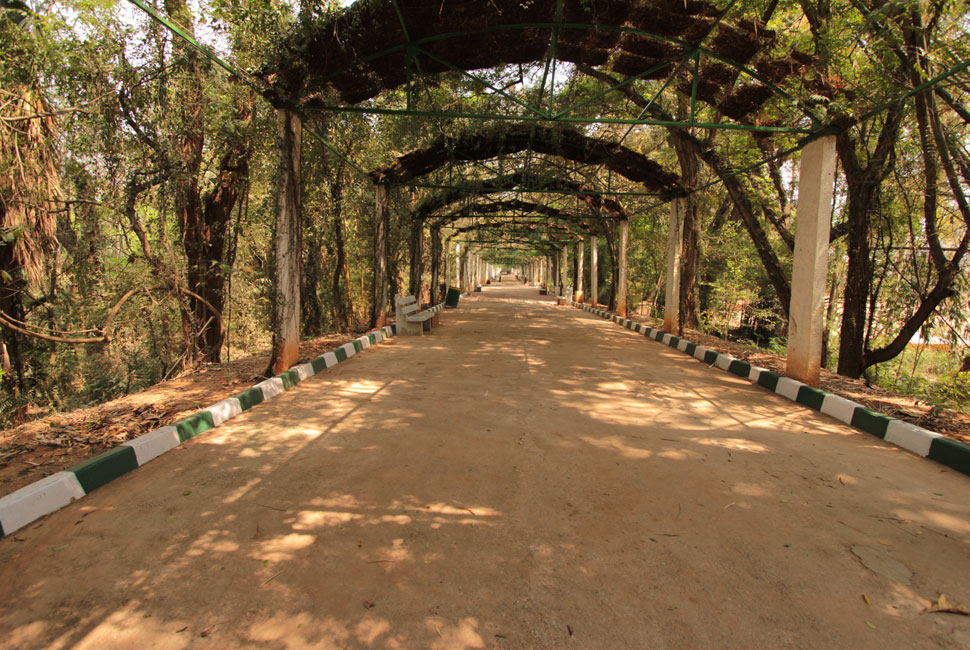
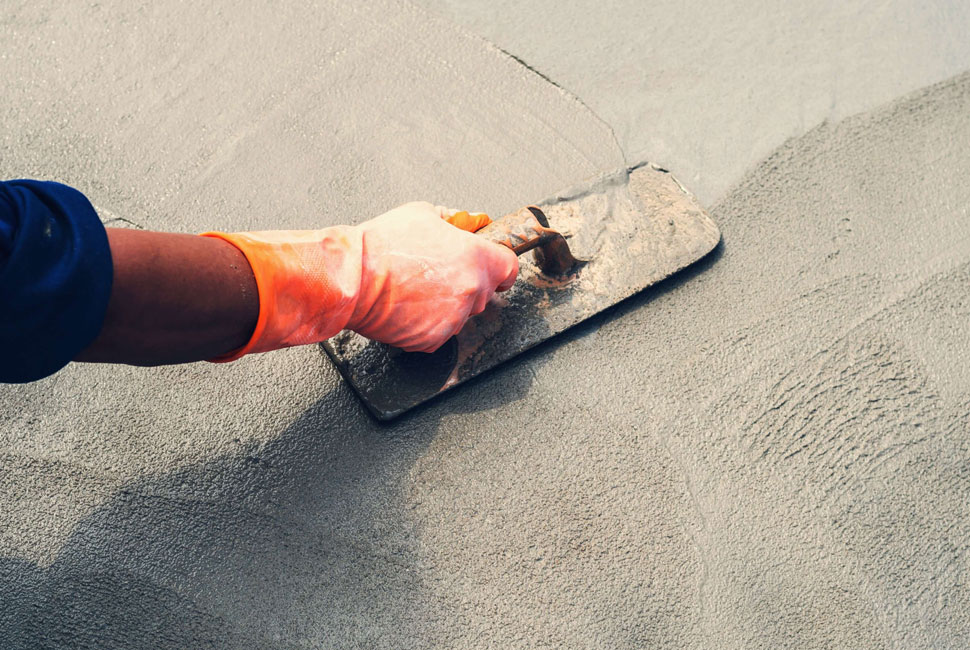
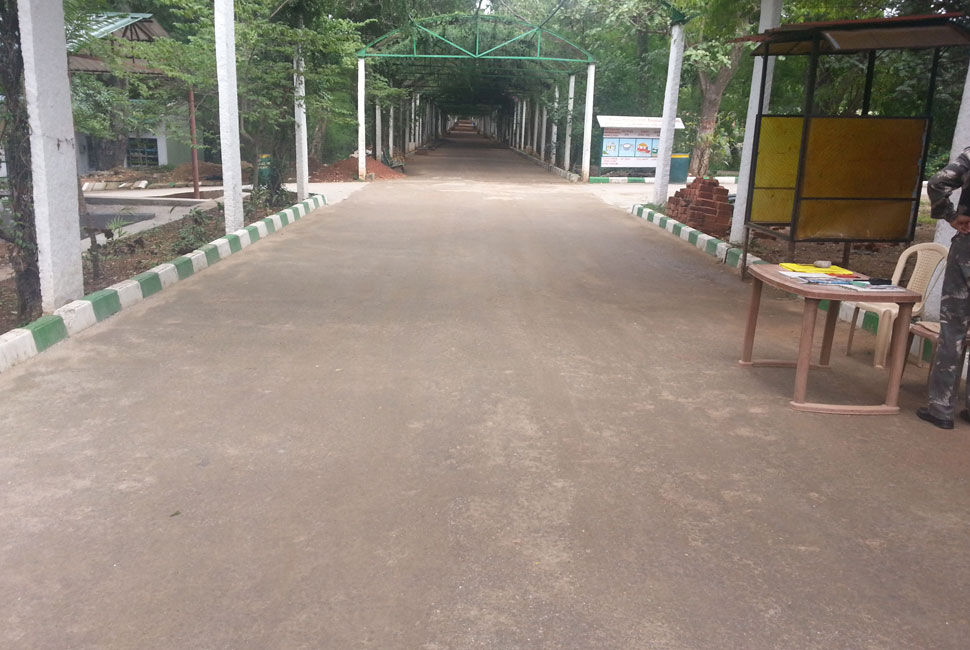
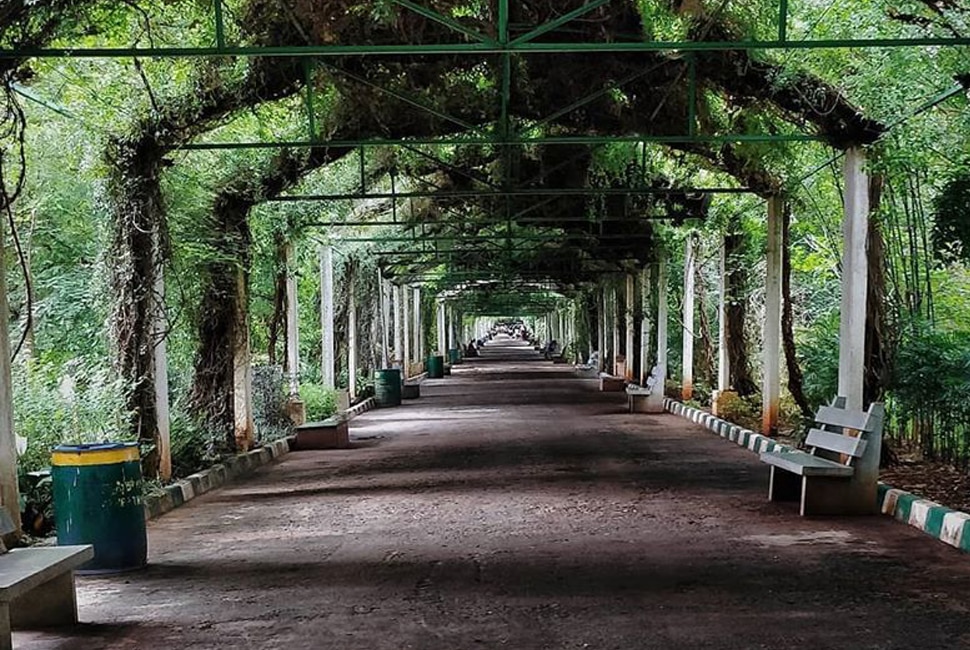
Firefly together with its technical team conducted a thorough analysis of the site and a survey was undertaken to come up with an economical, eco-friendly and long lasting solution to the problem within just a few days.
Strategic Aesthetic Design
Earthy and shady walkway that slows visitors down and provides relief from heat.
Water
Drainage
Cambered walkway to prevent standing water and ensure durability
Reduced Capex and No Operational Costs
Limited, local and simplistic resource use that drastically reduce costs of execution and daily maintenance
Alternative
Technology
Ultra thin, quick-setting formula requiring no reinforcement and expansion joints.
Environmental
Footprint
Minimal use of water, aggregate and cements in comparison to bitumen and concrete.
Ease of Maintenance for Zoo Management
5 Years Minimum Guarantee on walkways
Enhanced visitor
footfall
Increased empathy among visitors towards nature and wildlife conservation
Higher visitor satisfaction, reviews and ratings on the Zoo
Related Case Studies